Skeletal R,
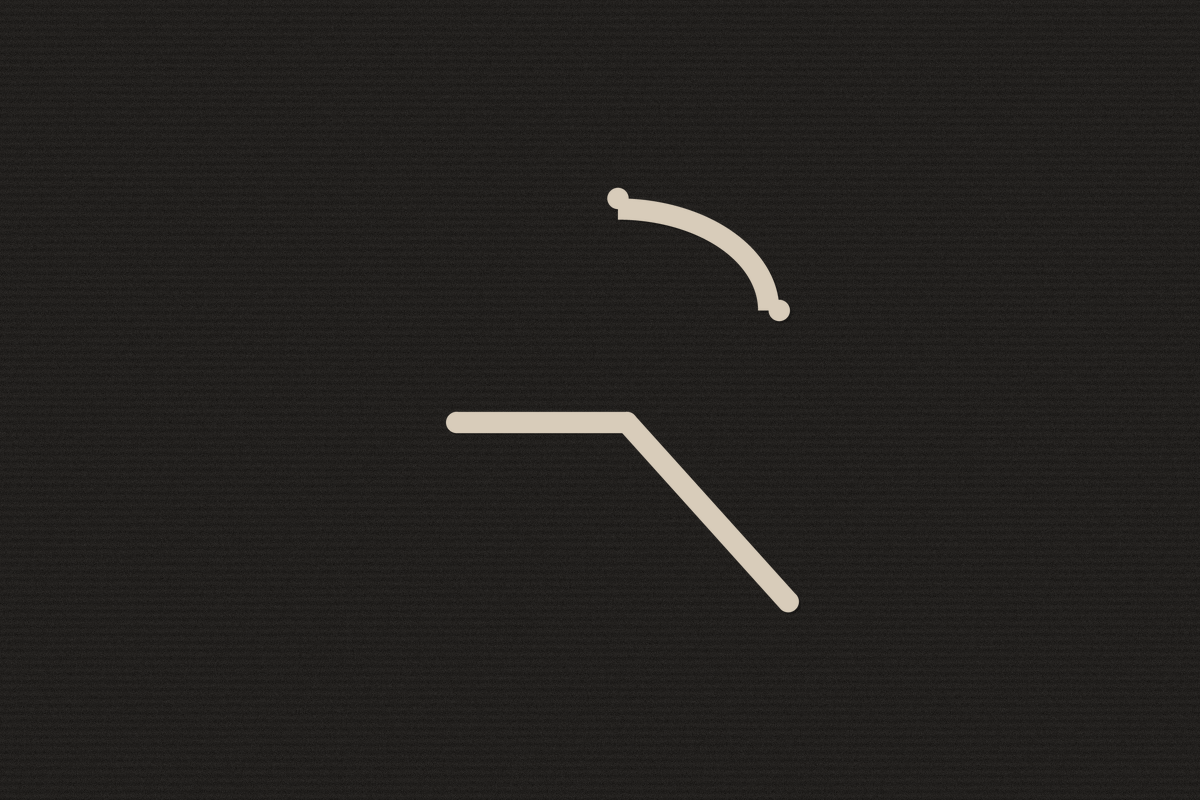
three strokes.
All three strokes match weight. Negative space completes the letter. Solid bar reads as choice — the thin-bar variant (A) reads as mistake.
Evokes. Wolfgang Weingart deconstructed type. Ed Fella raw letter studies. Experimental Jetset minimalism. Carsten Nicolai / Raster-Noton. Confident graphic design where the void does load-bearing work.
Technical. Vector pure. Negative-space proportions locked at every scale. Min 20mm / max ~60mm. Scales beyond collapse into noise. Hardware register only — small, precise. Not chest hero.
Embossed metal pin. Laser-etched zipper pull. Engraved button. Debossed leather patch at zipper base or sleeve cuff. Small single-color print on jacket pocket or sleeve. Bag hardware plate. Pocket-square corner embroidery.
Appears where hands meet garment. Rewards proximity. Invisible from across the room — that's the point.
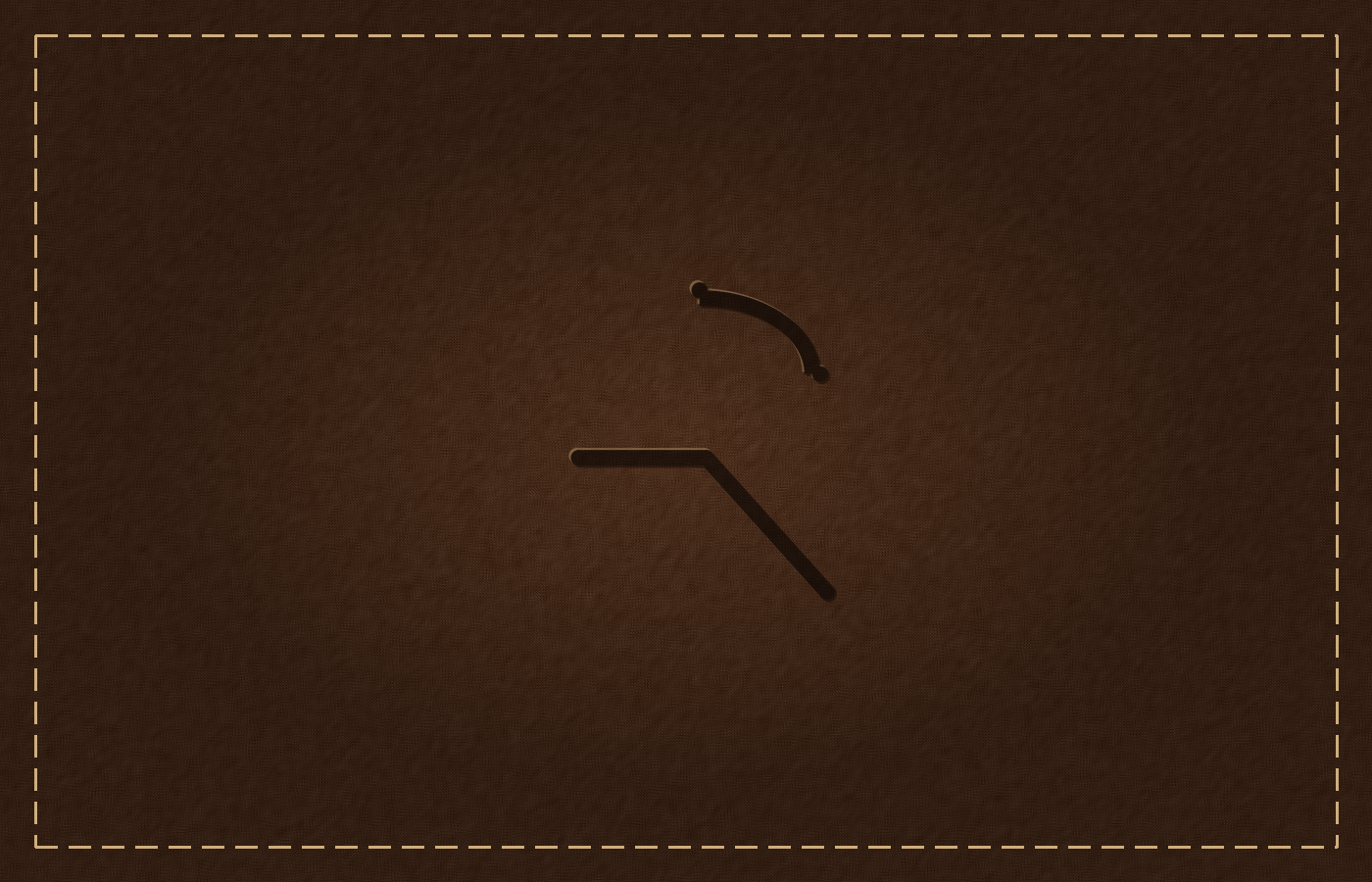
Leather Patch · Debossed
Cognac leather, debossed into the grain. Shadow rim fall-off reads depth. For zipper base, sleeve cuff, or inside-back tag.
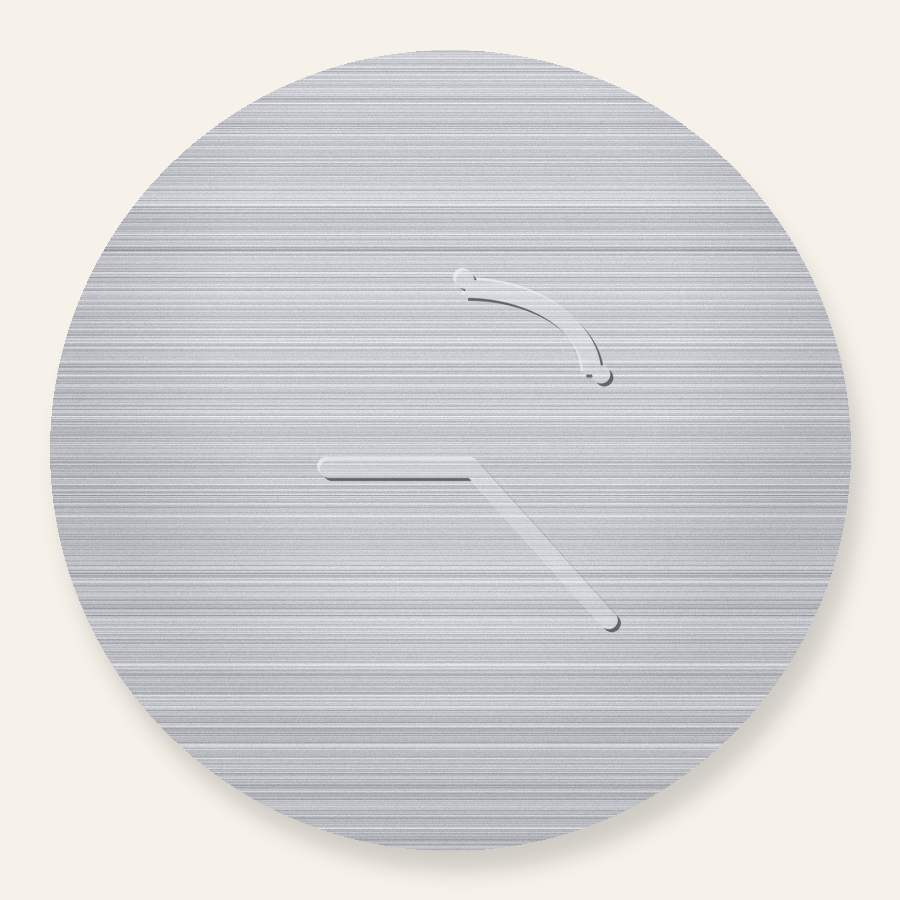
Metal Pin · Embossed
Brushed silver, raised relief. Highlight on north-west rim, shadow on south-east. Lapel, jacket hem tag, or pocket flap.
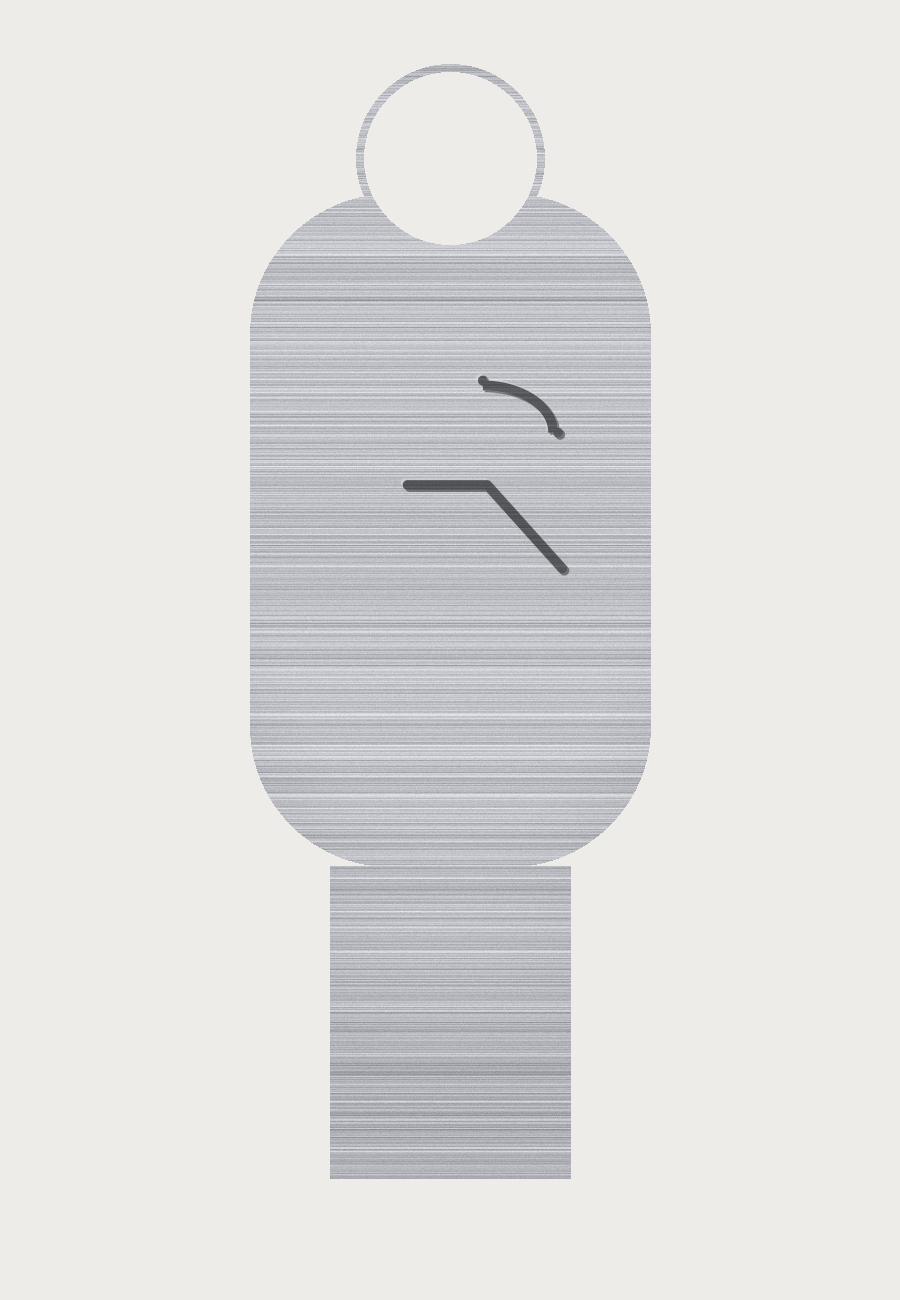
Zipper Pull · Engraved
Silver shaft, engraved tab face. ~24mm tab reads as hardware detail. The R is felt before it's seen.
Woven Satin Label
Dark satin ground, warm thread-color R. The negative space between strokes completes the letter on a woven surface.
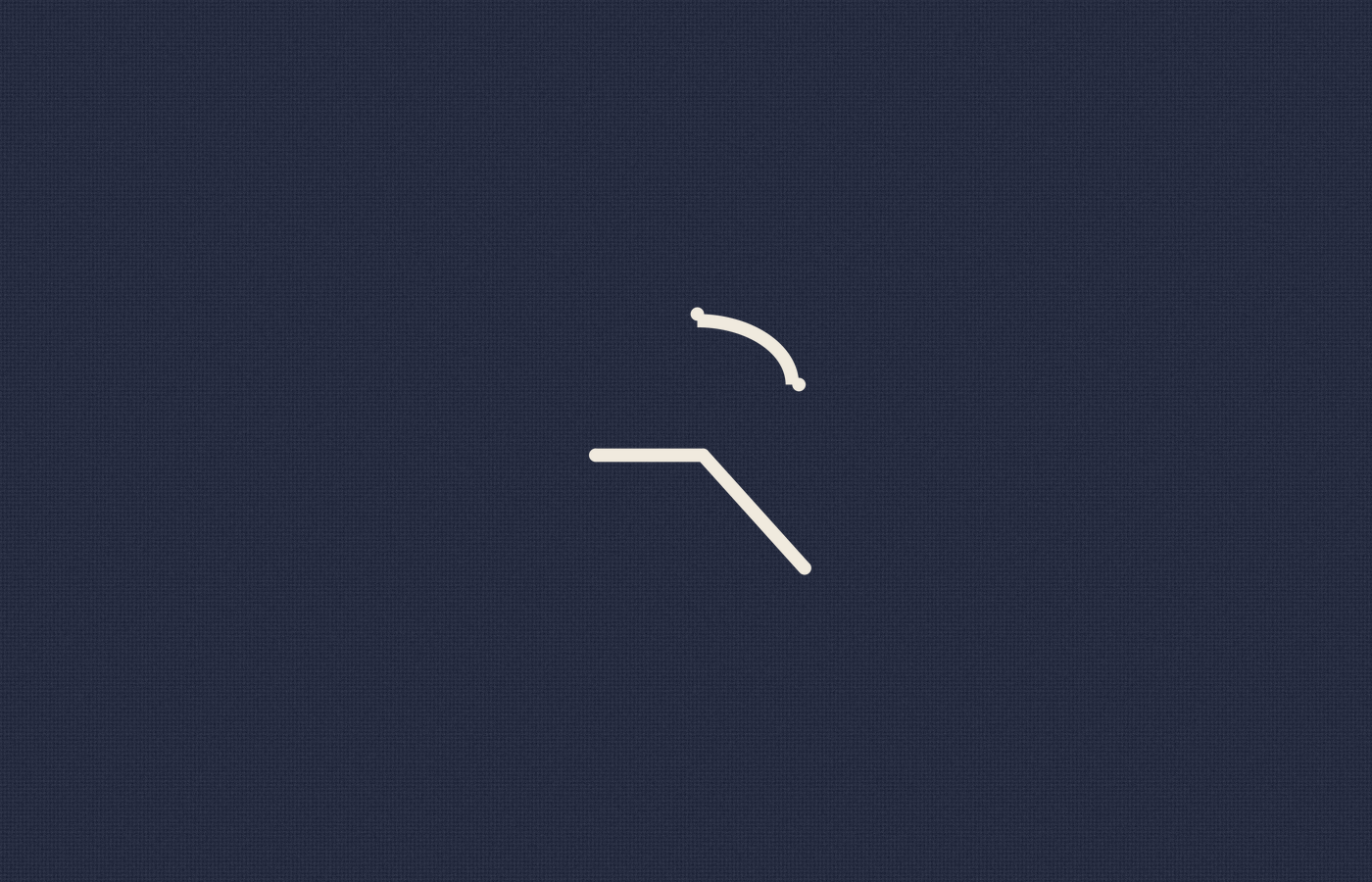
Cuff Print · Cream on Navy
Cream ink on navy cuff fabric. Pocket and sleeve scale — not chest hero. Discharge print or fine-screen silkscreen.
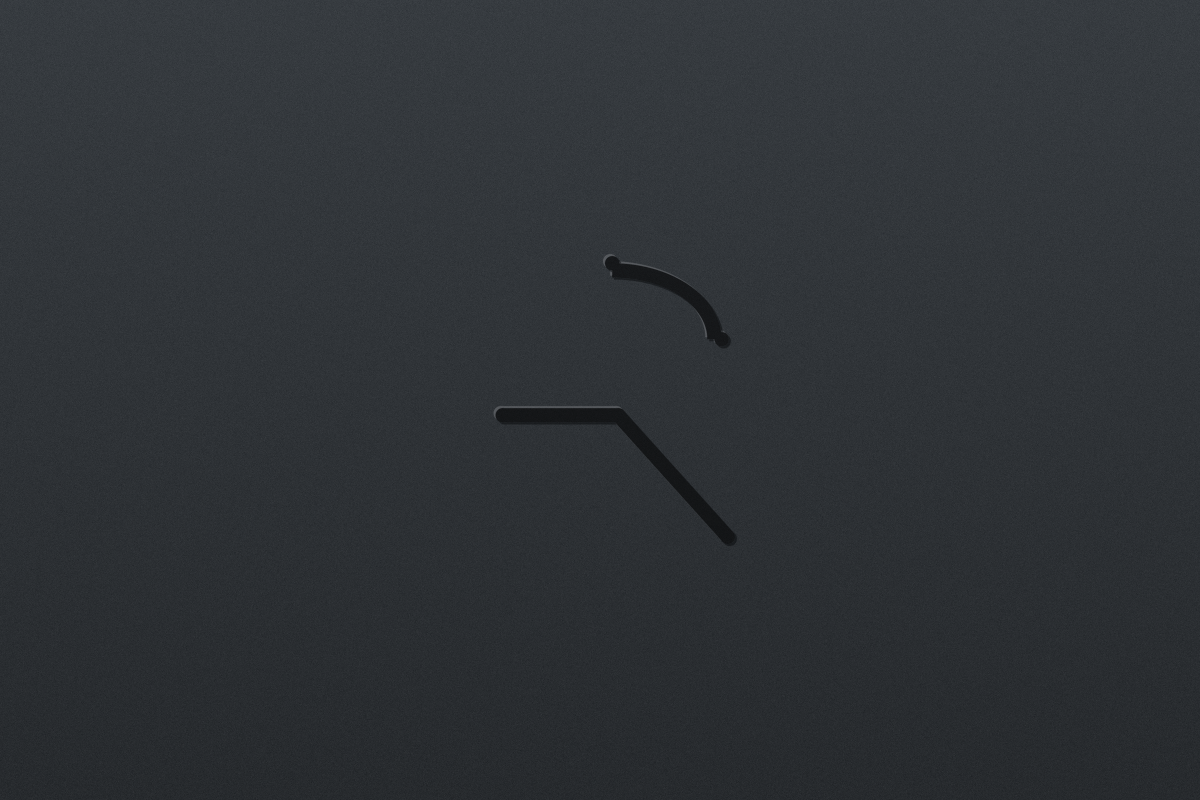
Bag Hardware Plate
Dark gunmetal for bag hangtag or inner-back plate. Metal-on-metal tactility. The debossed trough catches a single light source.
Ideation 04·B is the hardware register — the mark you feel before you read, small enough to be craft, specific enough to be brand. Six surfaces, one geometry, zero weight variance.
— RC01 Ideation Round, 2026-04-18